At-Home Lab Testing in New York City
Most people go years without knowing their iron status, their thyroid function, or their vitamin D level. Not because they are careless, but because getting labs done means a referral, a lab visit during working hours, and a wait for a portal message that arrives with no explanation attached.
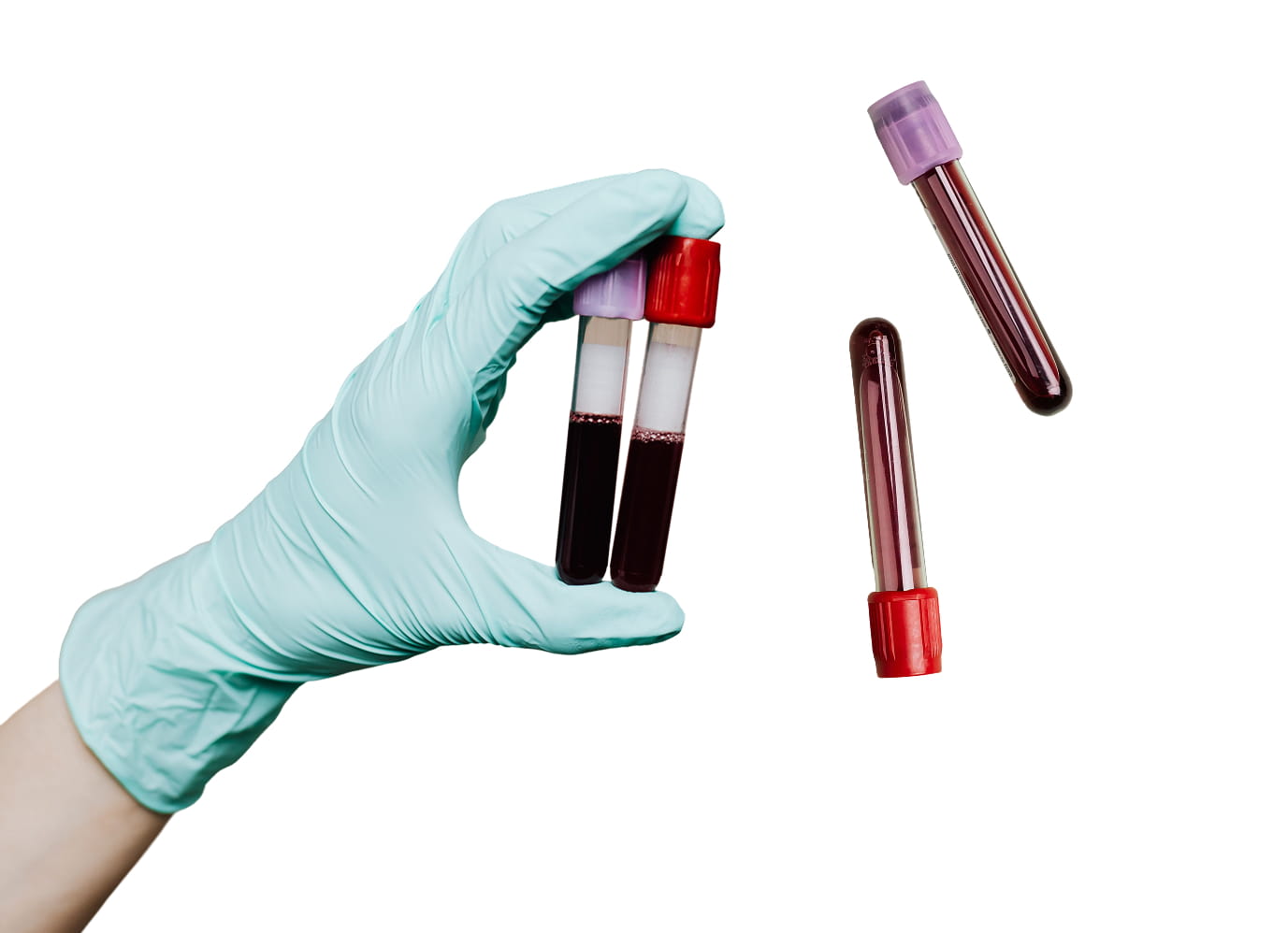
Mobile phlebotomy removes the logistics. A licensed nurse draws your blood wherever you are, the sample goes to the lab, and results typically come back within a few business days. Consultation with a clinician is available to talk through what the numbers actually mean.
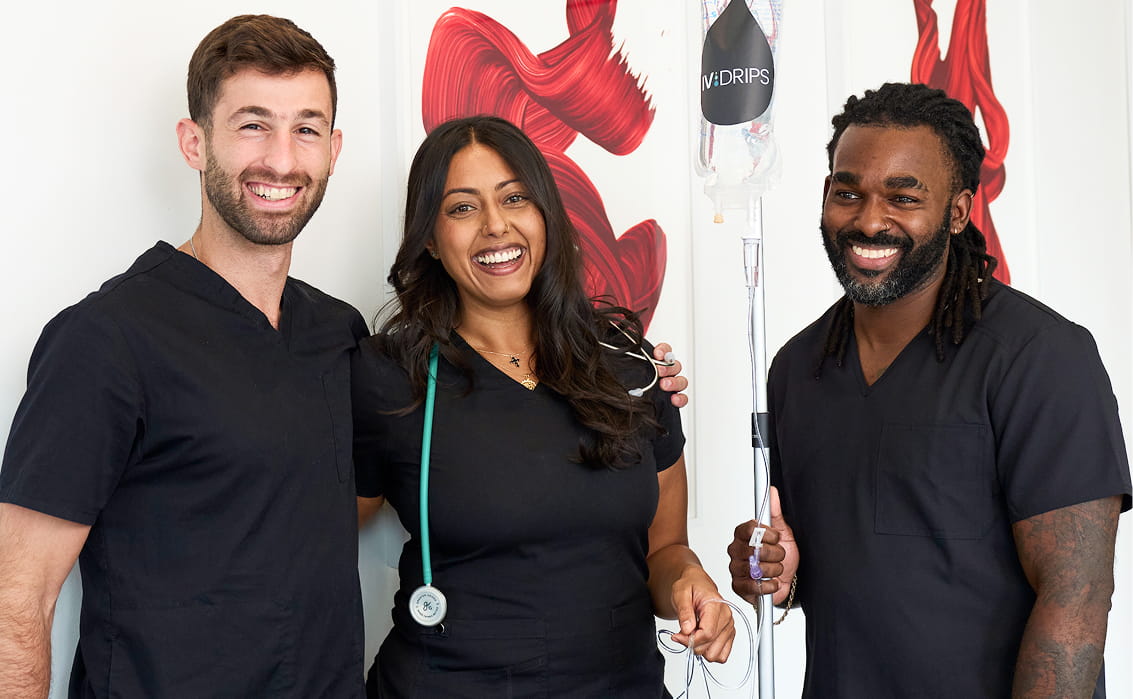
Drawing blood is simple. Knowing which panels are worth running and what to do with the results is the part that requires clinical training, and that is where this service is built to add value. IV Drips was founded by Bracha Banayan, a board-certified Family Nurse Practitioner who spent years in emergency medicine before starting the practice, and the nurse practitioner team is available to discuss results, put them in context, and flag anything that needs follow-up with your own physician. Custom panels can be assembled when the standard packages do not cover what you are trying to find out. Clinical services are provided through NP in Family Health On Demand 24/7 PLLC.
What Blood Work Can Tell You
Blood testing answers specific questions well and vague ones poorly. The panels worth running depend on what you are actually trying to find out.
Fatigue that will not lift. Complete blood count, ferritin and iron studies, thyroid panel, vitamin B12, and vitamin D cover the most common treatable causes. Iron deficiency and hypothyroidism in particular are frequently missed and straightforwardly correctable once identified.
Nutritional status. Vitamin D, B12, folate, and magnesium show whether the gaps you suspect are real. Useful before starting any supplementation routine, since correcting a deficiency that exists produces a different result from adding more of something you already have enough of.
Metabolic picture. Fasting glucose, hemoglobin A1c, and a lipid panel describe how your body is handling fuel. These are standard screening measures and they change slowly, which makes tracking them over time more informative than any single result.
Hormone and organ function. Thyroid studies, liver enzymes, and kidney function markers give a baseline and can explain symptoms that otherwise float without a cause.
Inflammation. C-reactive protein and related markers indicate that something is producing an inflammatory response, without saying what. Useful as a signal, unhelpful on its own.
What Blood Work Does Not Do
Being clear about this matters more than it costs.
A normal result does not rule out everything. Plenty of conditions produce no abnormality on a standard panel, and a clean set of numbers alongside symptoms that persist means the workup should continue rather than stop.
An abnormal result does not confirm a diagnosis. Reference ranges describe where most people fall, not where health begins and ends. Values drift slightly out of range for reasons including recent illness, dehydration, exercise, medications, and normal individual variation. A single flagged number is a reason to look further, not a verdict.
Testing widely without a question in mind produces incidental findings, meaning results slightly outside range with no clinical meaning, which lead to anxiety and follow-up testing that would have been unnecessary. Choosing panels that match what you are actually trying to learn is better practice than ordering everything available.
Some results need attention quickly rather than at the next convenient moment. If something in your panel falls into that category, you will be told so directly and pointed toward appropriate care.
“A lab result is a data point, not an answer. My job is to tell you what it means in the context of how you actually feel, and to be honest when the number doesn’t explain the symptom.” — Bracha Banayan, FNP-BC, Founder
How It Works
Book online or by phone and choose a time through the scheduling portal. A licensed nurse comes to your home, office, or hotel with everything needed for the draw.
If your panel requires fasting, you will be told when to stop eating beforehand. Most fasting panels ask for eight to twelve hours with water permitted. Morning appointments make this considerably easier to manage.
The draw itself takes a few minutes. Samples go to the laboratory, and results are typically available within a few business days depending on which tests were ordered, since some specialized assays take longer.
When results come back, you can schedule a consultation to go through them with a clinician who will explain what the numbers mean, what is worth acting on, and what belongs in a conversation with your primary care physician.
Who Uses At-Home Blood Testing
- People tracking a change: Anyone monitoring a number they already know is off and want to see moving.
- Patients establishing a baseline: Useful before starting supplementation, a training program, or a wellness routine.
- Anyone whose schedule defeats lab visits: A draw at home eliminates the main reason lab orders go unfilled.
- People with needle anxiety: Being in your own space rather than a clinical queue makes a real difference.
- Patients coordinating care for a relative: Particularly helpful for older family members for whom a lab trip is genuinely difficult.
An Honest Note on Primary Care
At-home testing complements a relationship with a physician rather than replacing it. Your primary care provider holds your full history, can examine you, can order imaging, and can follow a problem across years. If you do not have one, establishing that relationship will do more for your long-term health than any panel.
Where mobile testing genuinely helps is in removing the friction that keeps people from getting labs done at all, and in providing context on results rather than leaving you to interpret a portal message alone.
Why Choose IV Drips for Mobile Blood Work
- Licensed Nurses Performing Draws: Trained clinicians rather than a courier service.
- Clinician Consultation on Results: Someone to explain what the numbers mean and what is worth acting on.
- Custom Panels Available: Testing built around your question when the standard packages do not fit.
- Honest Interpretation: A team that will tell you when a result does not explain your symptoms.
- Drawn Where You Are: Home, office, or hotel across New York, New Jersey, Connecticut, and Florida service areas.
Book Blood Work in New York City
If fatigue has become a pattern, if you want a baseline before changing your routine, or if a lab order has been sitting unfilled for months, having the draw come to you removes the reason it has not happened. Book online or call (212) 220-3957. For more on reading results usefully, see what blood work can tell you about fatigue, hydration, and wellness.